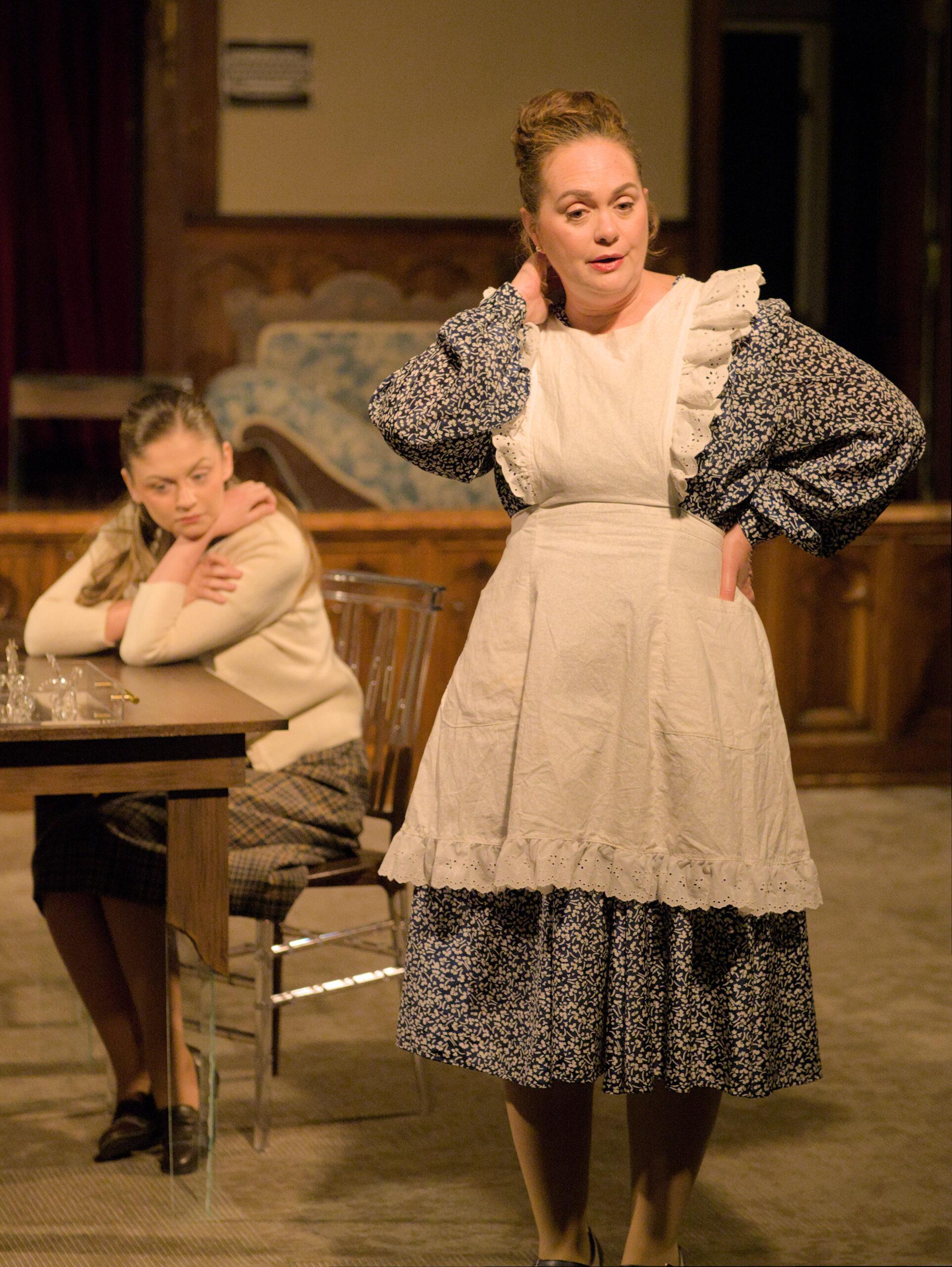
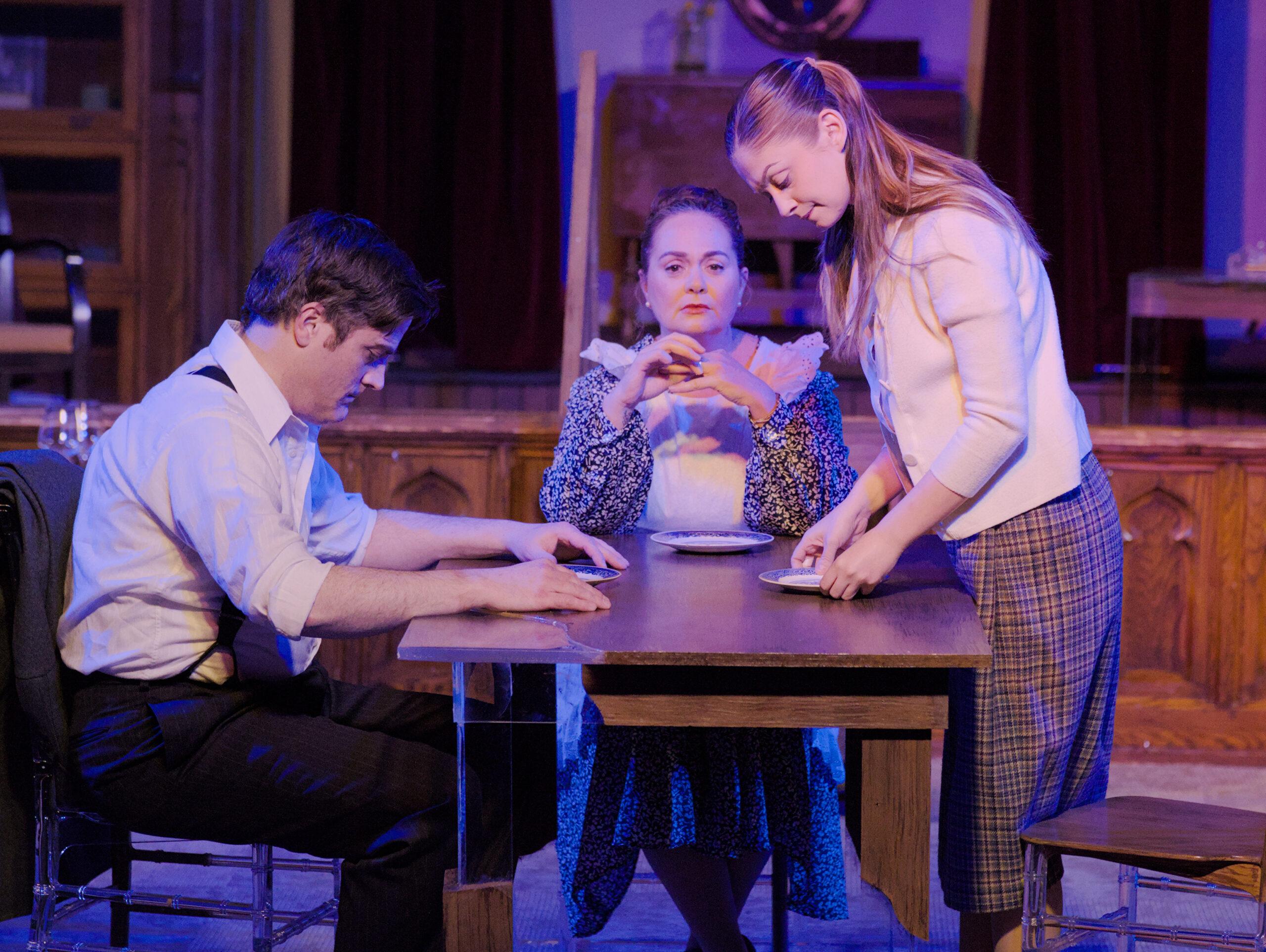
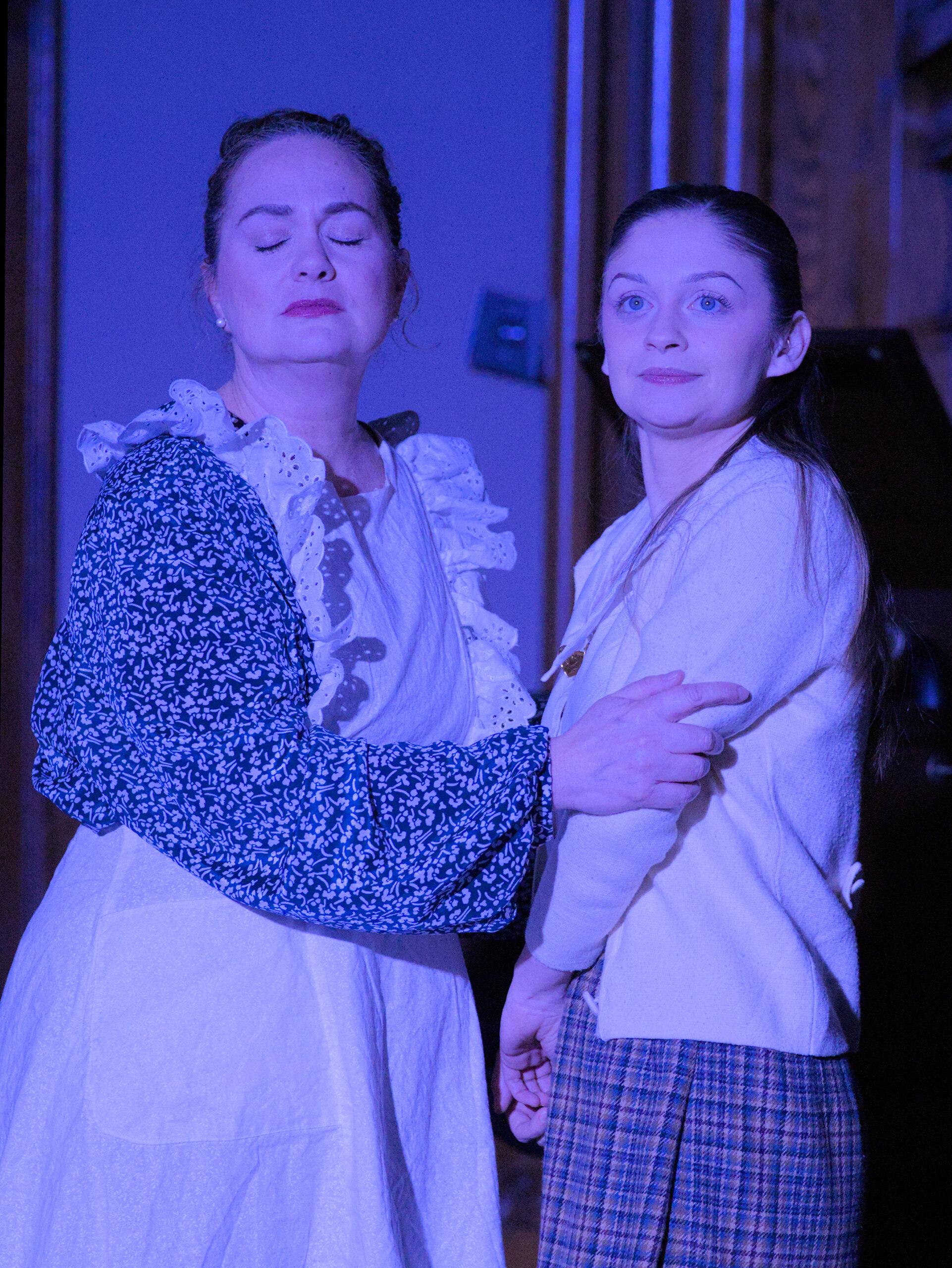
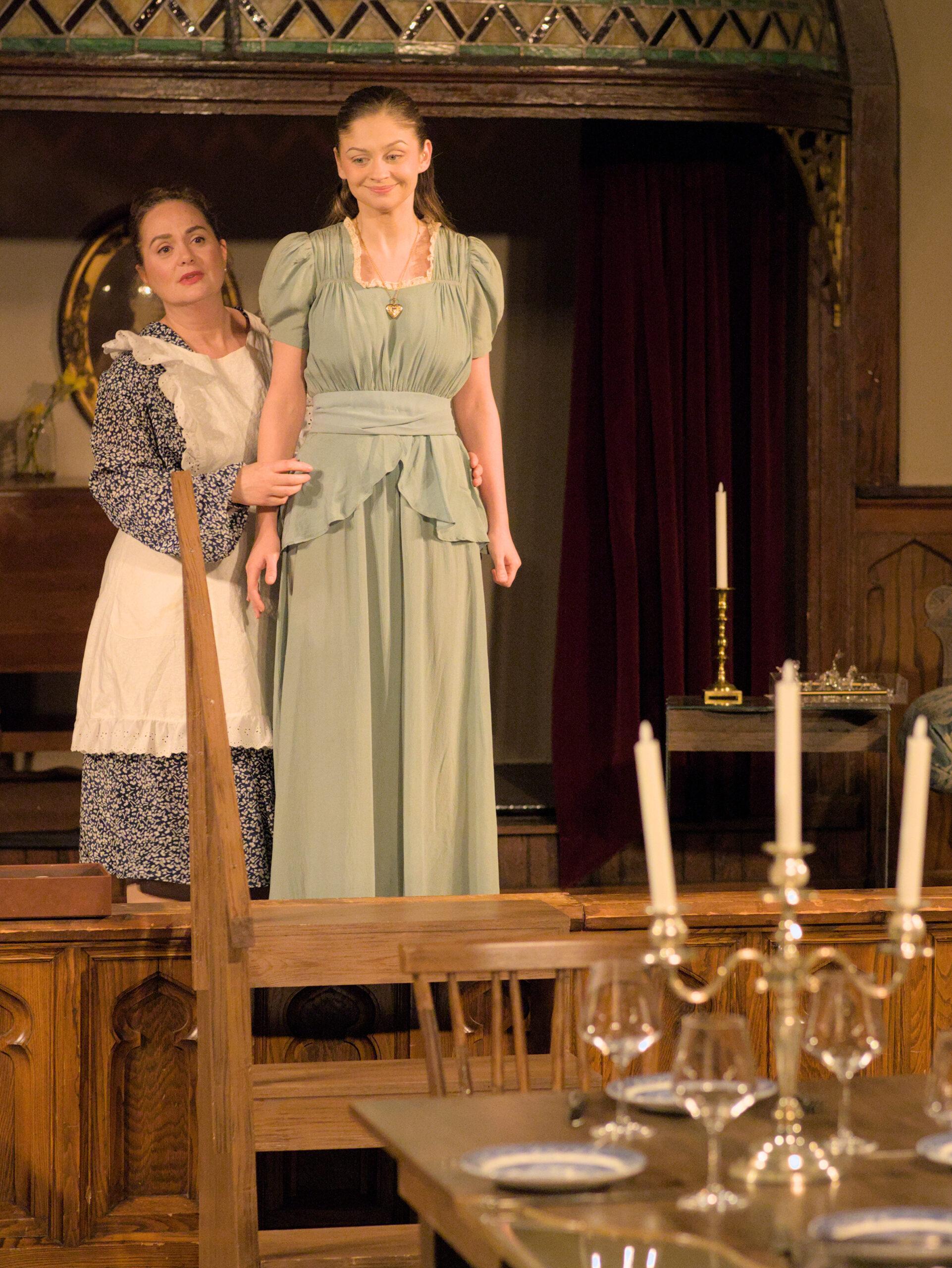
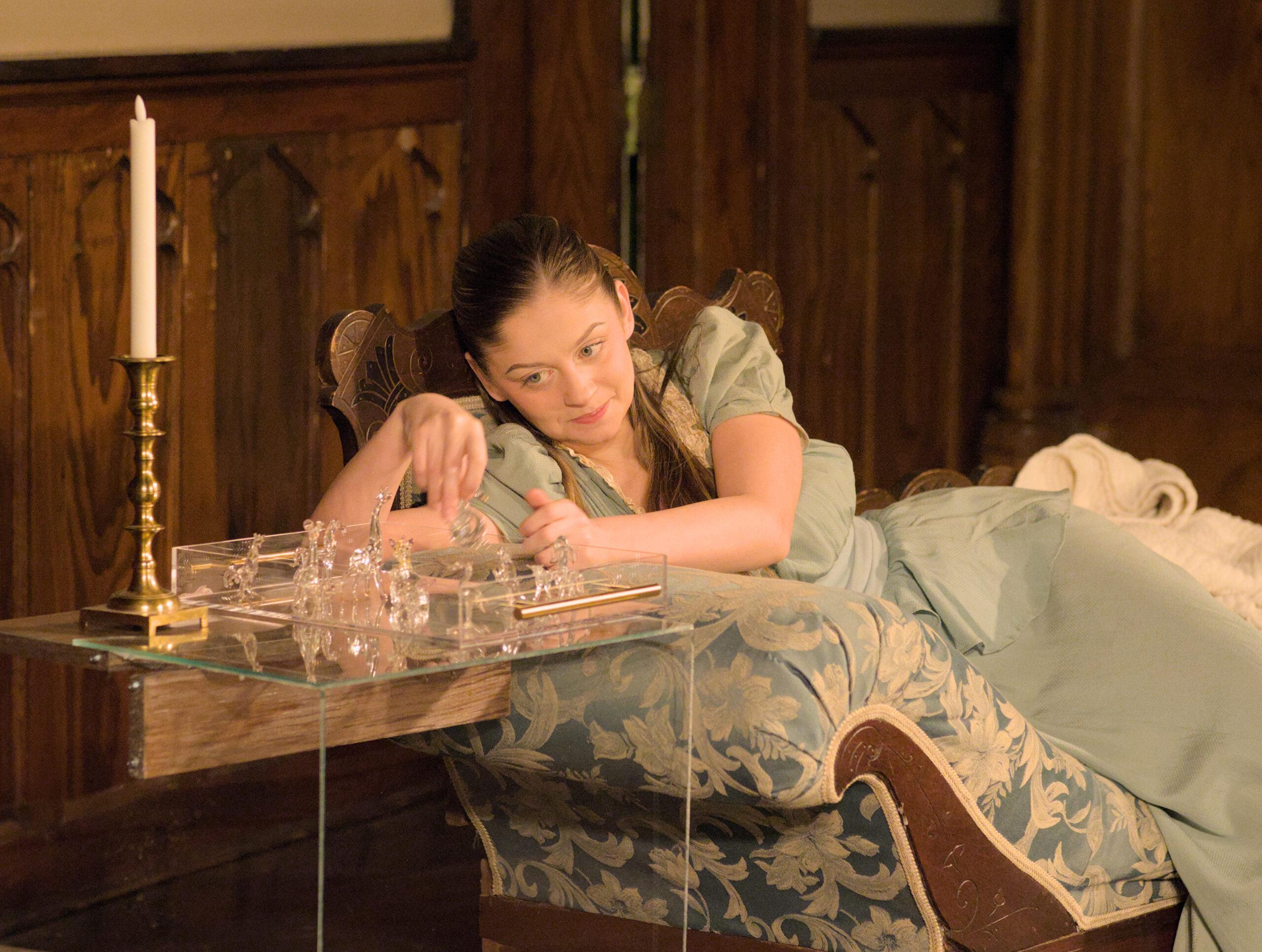
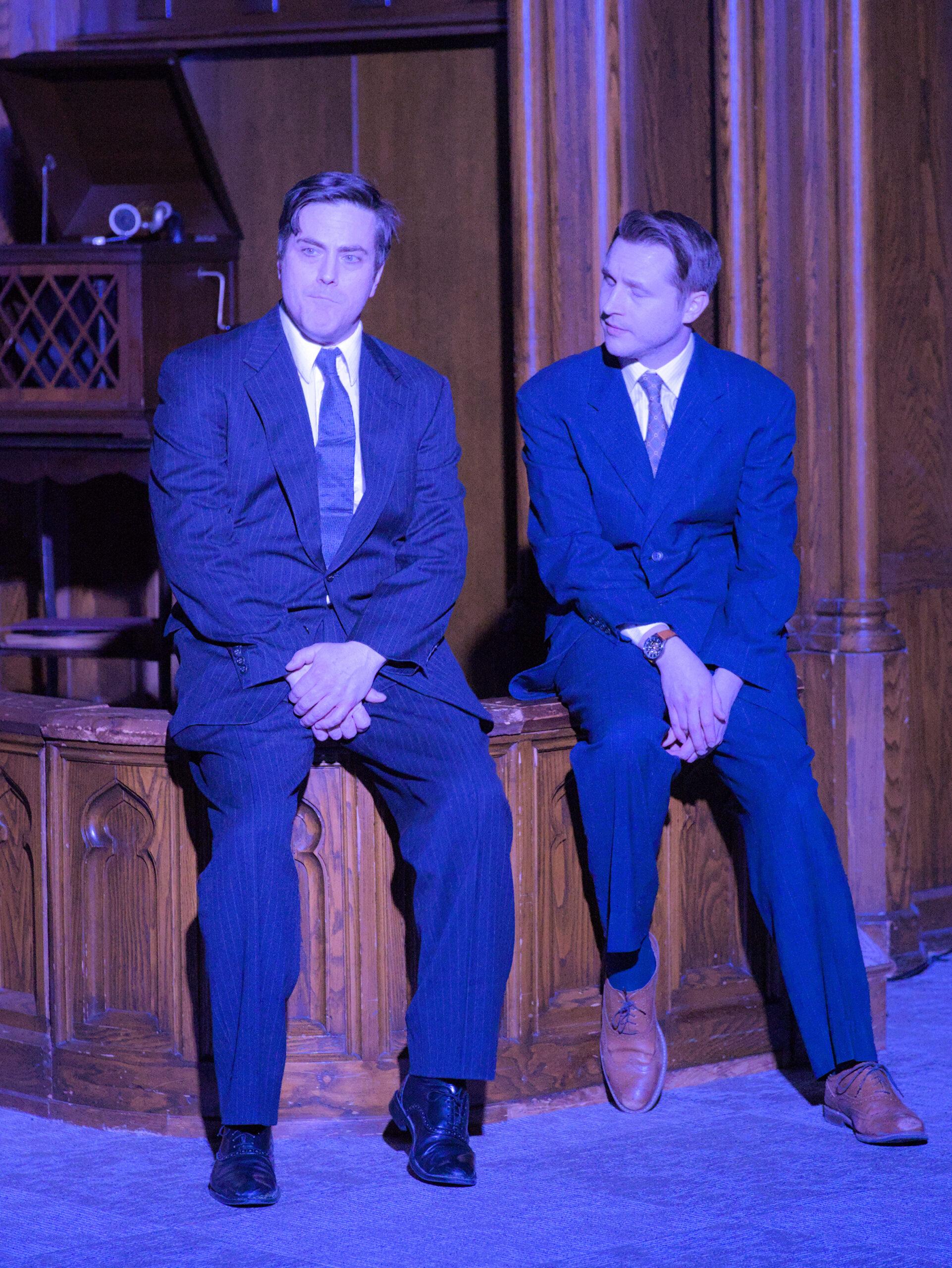
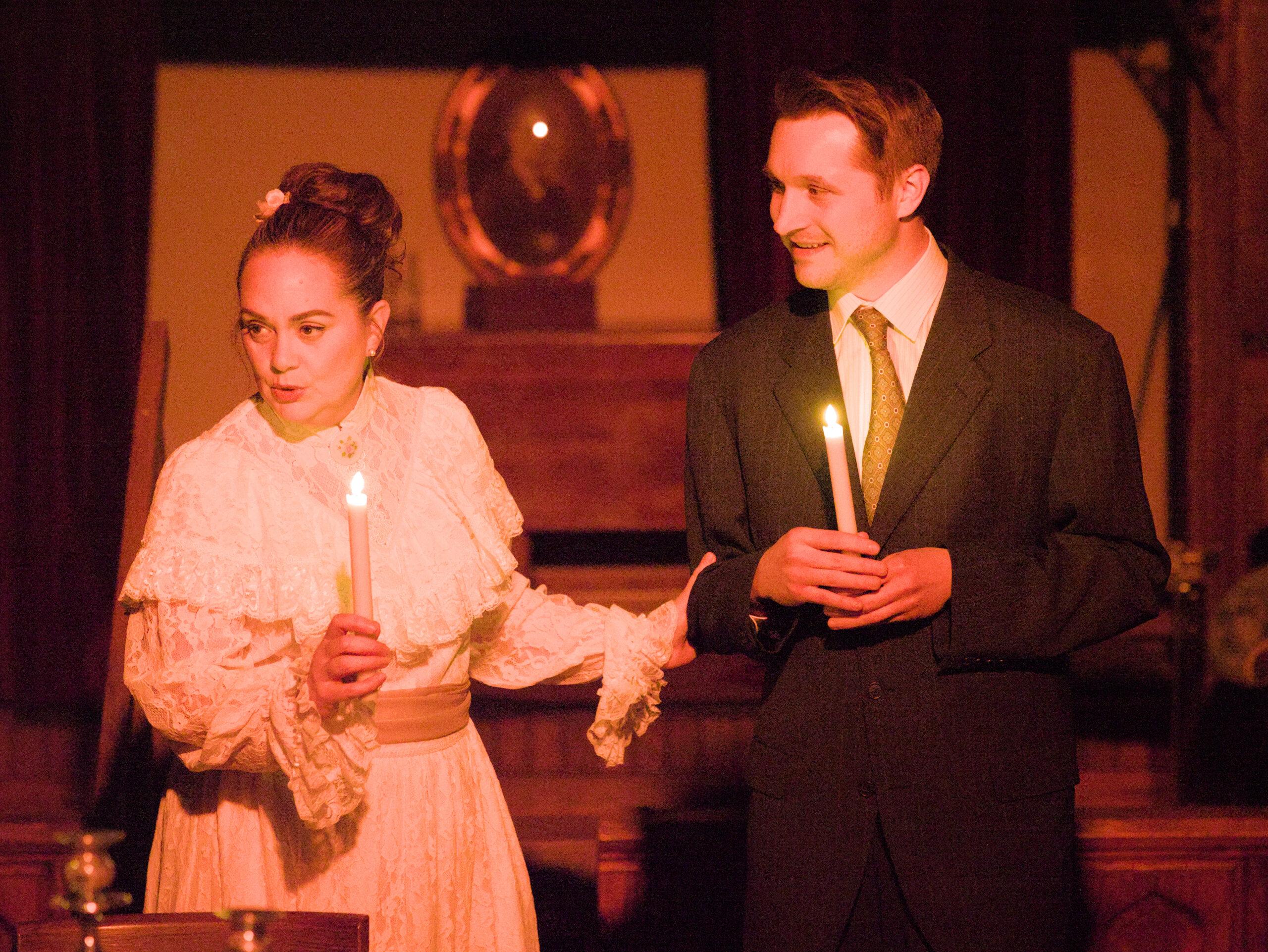
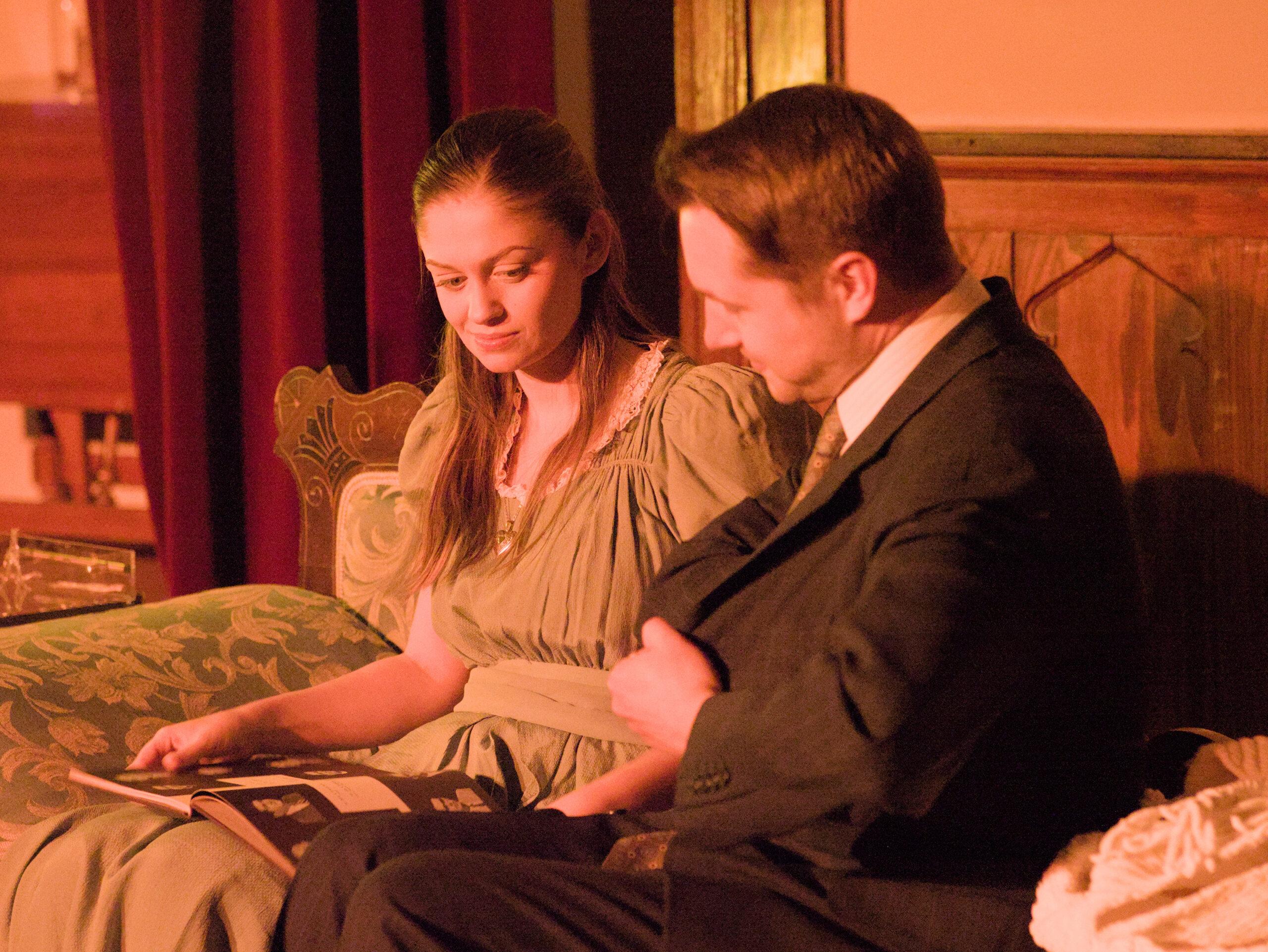
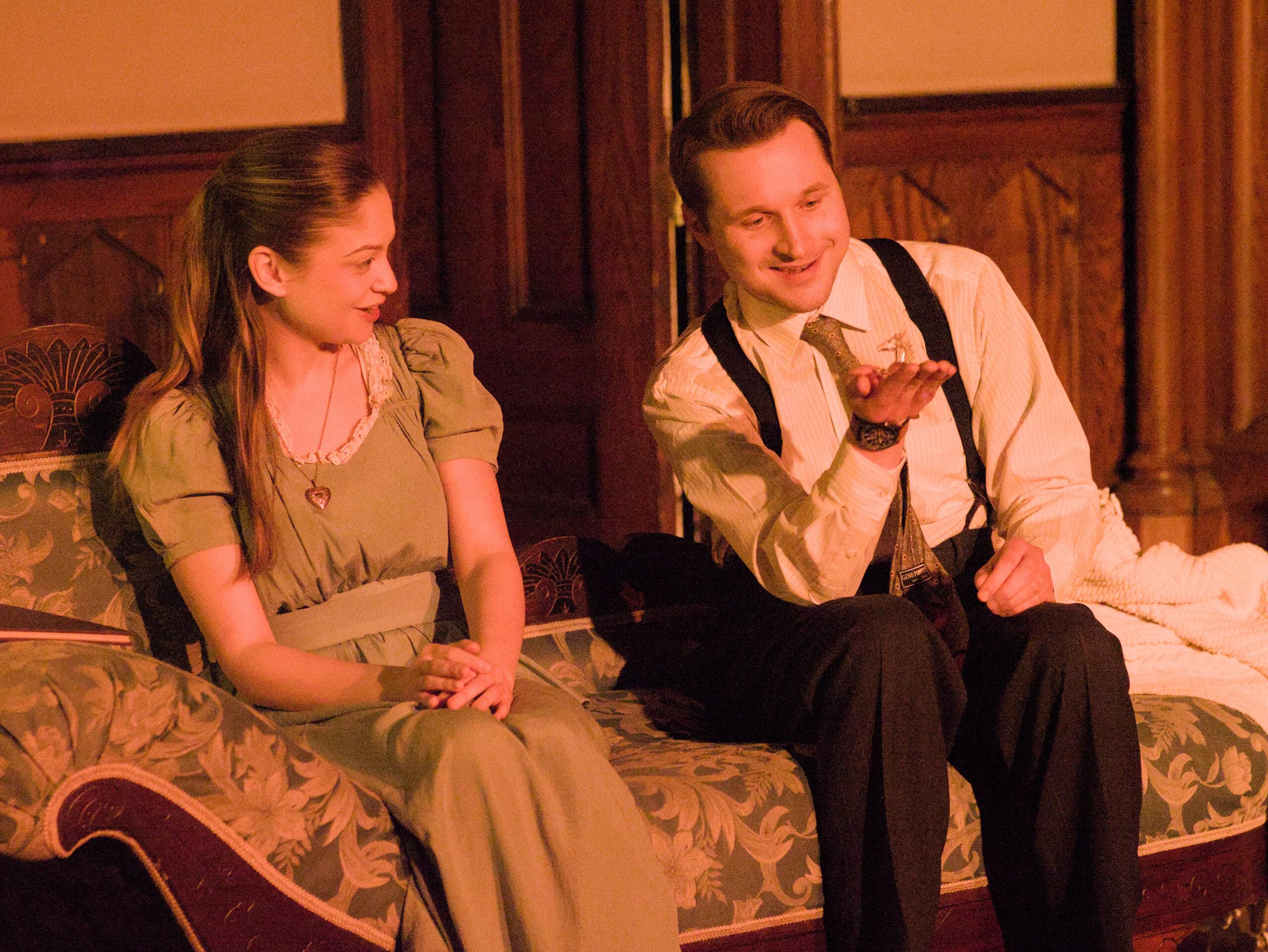
Several weeks after the promotional session for Scranton Fringe’s production of The Glass Menagerie, I was able to provide coverage for their dress rehearsal. The purpose for this is always twofold: I provide a small batch of photos the following morning, which the production team uses in their final social media marketing posts, while the remainder of the images are processed and handed over in the following weeks, for Scranton Fringe’s archives and future marketing.
That immediate small batch may feel the most important – a visual lure that hopefully catches the eye of prospective theater-goers and convinces them to purchase a ticket. But I would argue that the archival photos are just as important, if not even more so. Any organization benefits from having a photographic archive, a record of their accomplishments and an easy yardstick by which to measure their progress and evolution over the years, and to celebrate their good works.
Our history, as individuals and as a community, is important!
As for the show itself, it was a delight – masterfully produced and acted, rich and poignant and visually engaging. This was my first time seeing The Glass Menagerie, or indeed any of Tennessee Williams’ works, and I enjoyed it thoroughly.
Although perhaps I didn’t always enjoy the technical challenges… Theater lighting is nearly always difficult, from a photography perspective. Saturated colors and dramatic shifts from intense spotlights to faux-candlelight are great for setting the mood, but to a photographer they mean wildly changing camera settings, and a delicate balance between high ISO and low shutter speeds, no matter how “fast” a lens is used.
I shot almost entirely with the Sigma 56mm f/1.4, with the aperture at or near f/2 to provide just a little more depth of field. For the most part it worked well, although my ISO climbed past 6400 at times, and especially during the show’s final act, in which a significant portion takes place under “candlelight.”
The challenge there isn’t just capturing sharp images in low light, but also maintaining the atmosphere of a dim, very warm light source without either watering it down, or allowing it to oversaturate the scenes. I’d like to think I accomplished that goal, and at any rate the images shared above feel true to the show as I witnessed it.